

West African Lungfish Protopterus annectens


Lungfish are the link between fish and amphibians. The West African Lungfish is one of four surviving species in its
genus. It is native to shallow rivers, swamps and marshes of West Africa and with a subspecies in parts of East and northern southeast Africa.
It can grow to over a metre long.
(Other African lungfish species are generally along the Nile basin and Rift Valley (Marbled - can reach 2 metres long);
the Congo Basin (Spotted); and the Horn of Africa (Gilled).)
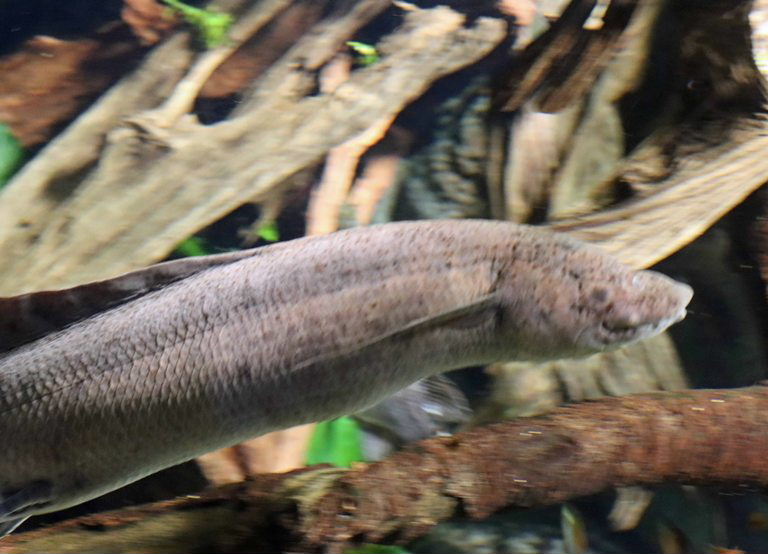

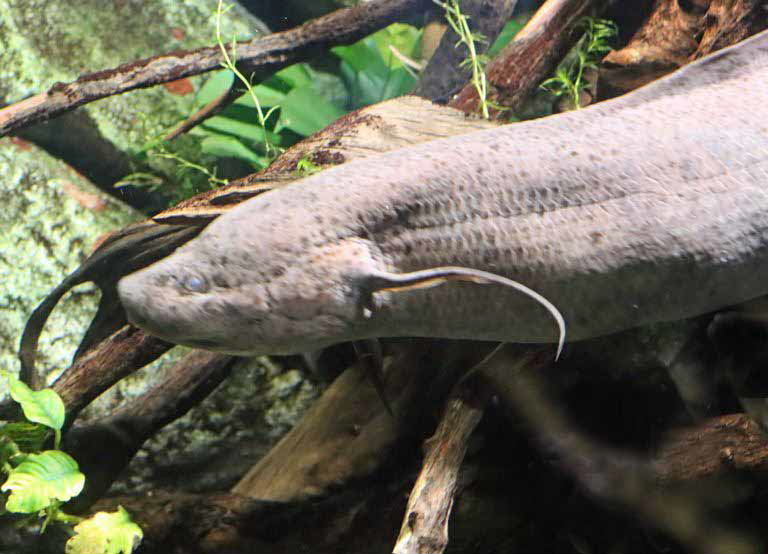
It needs to breathe air into its lungs since its gills have reduced capacity. Since much of its range has seasonal
waterbodies, it can survive up to a year buried in the dry mud of river beds. It eats mainly molluscs, crustaceans and insect larvae.
When the eggs hatch, young are more like tadpoles and then newts rather than fish; they have external gills until they develop lungs.
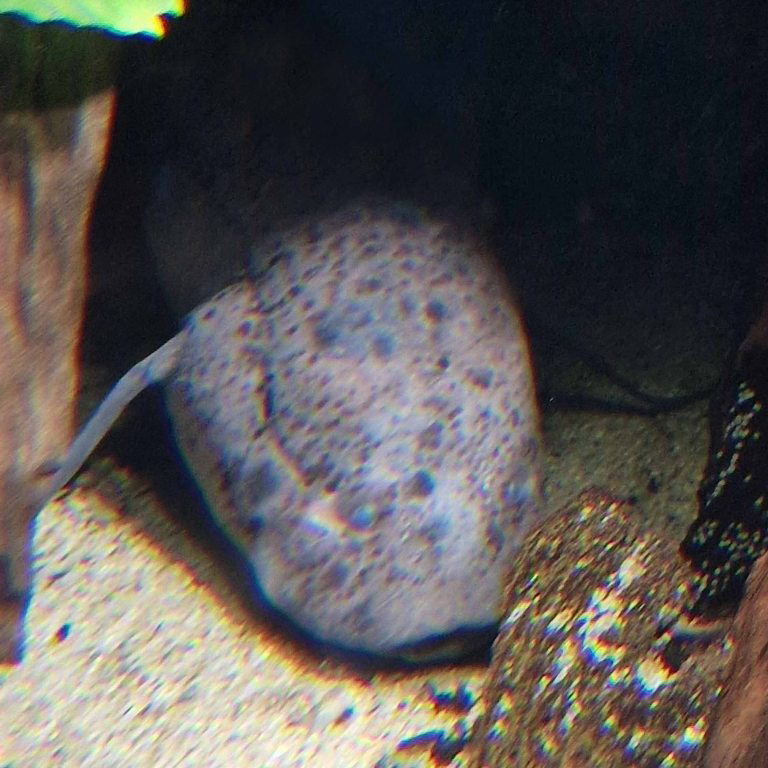
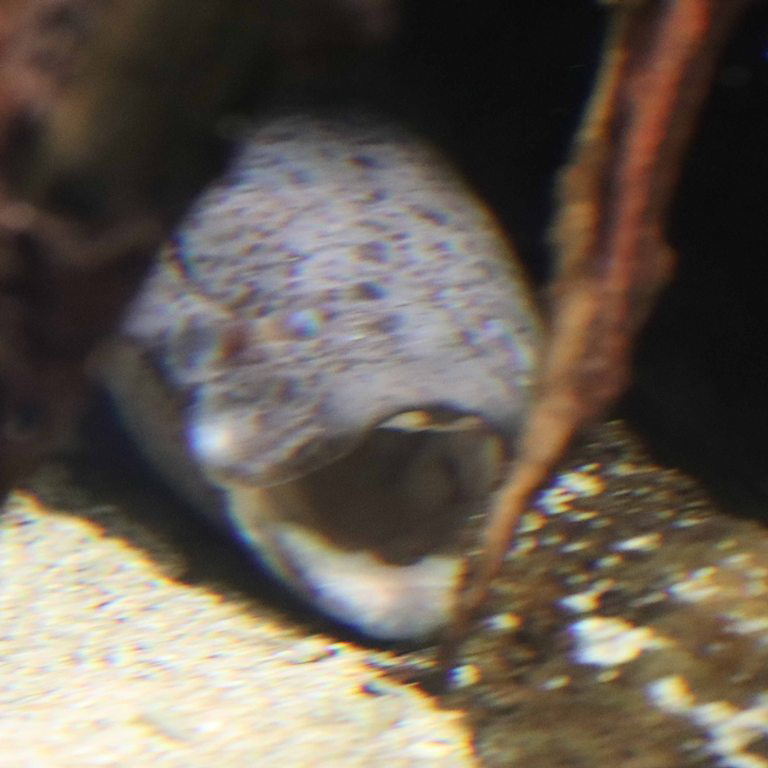
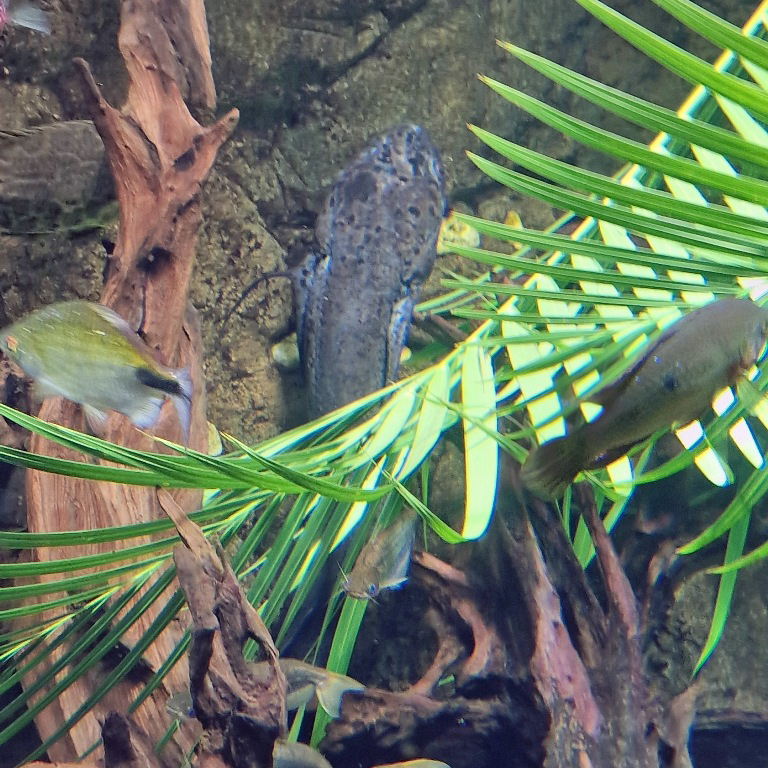
It has the ability (unique among lungfish?) to raise itself up on its pelvic fins like feet when underwater (but not on land).
Eyesight is poor but it is able to detect movements in water using a weak electric field along its lateral line (like some other fish and amphibians).
African lungfish populations are declining partly through increased use of gill nets and longlines for fishing.